Genesis World#
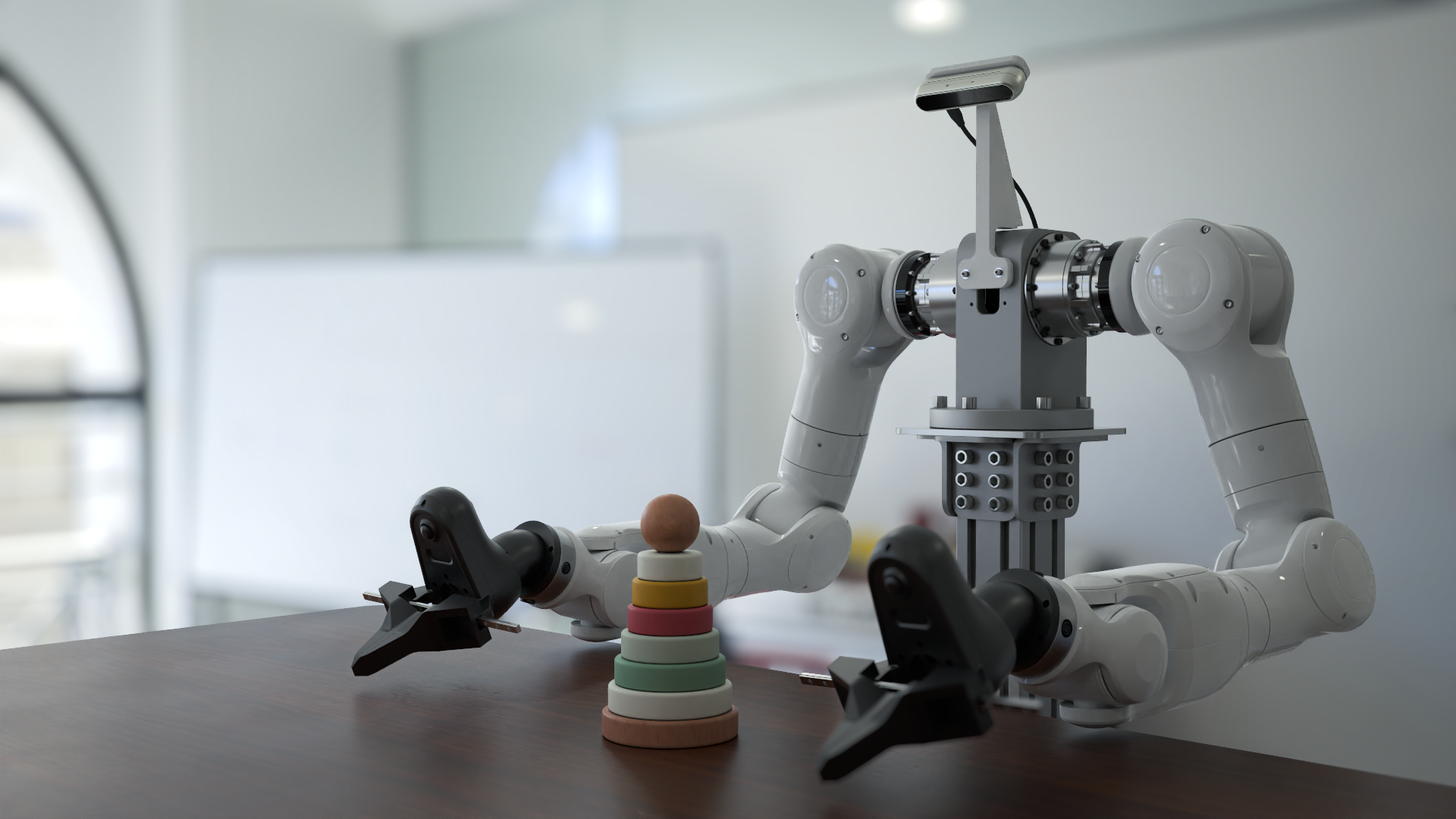



Genesis World is a simulation platform for physical AI development. It combines a unified multi-physics engine, a photorealistic renderer (Nyx), and a cross-platform compiler (Quadrants) behind a single Pythonic API. It scales from a laptop CPU to datacenter GPUs, and it is written in Python so you can read, extend, and embed it directly in research code.
Genesis World began as an academic project in December 2024, under the name Genesis, and is now developed with support from Genesis AI. For a tour of how the system fits together, see Introduction; for the design rationale, see the blog post.
Getting started#
Install PyTorch by following the official instructions, then install Genesis World from PyPI:
pip install genesis-world
From there, the user guide covers installation in detail, tutorials, and the full API reference.
Contributing#
Genesis World aims to be a transparent, community-driven ecosystem where roboticists and graphics researchers build a fast, physically and visually realistic virtual world together. Contributions of every size are welcome: pull requests for new features, bug reports, and suggestions that make the API more intuitive. See the introduction for the longer story.
Support#
Report bugs and request features through GitHub Issues.
Ask questions and share ideas in GitHub Discussions.
Citation#
If Genesis World supports your research, please cite it. A technical report is in progress; until it is published, you can cite:
@misc{Genesis,
  author = {Genesis Authors},
  title  = {Genesis: A Generative and Universal Physics Engine for Robotics and Beyond},
  month  = {December},
  year   = {2024},
  url    = {https://github.com/Genesis-Embodied-AI/genesis-world}
}